★
Serving Dallas Fort Worth, Texas
★
Equipment Repair
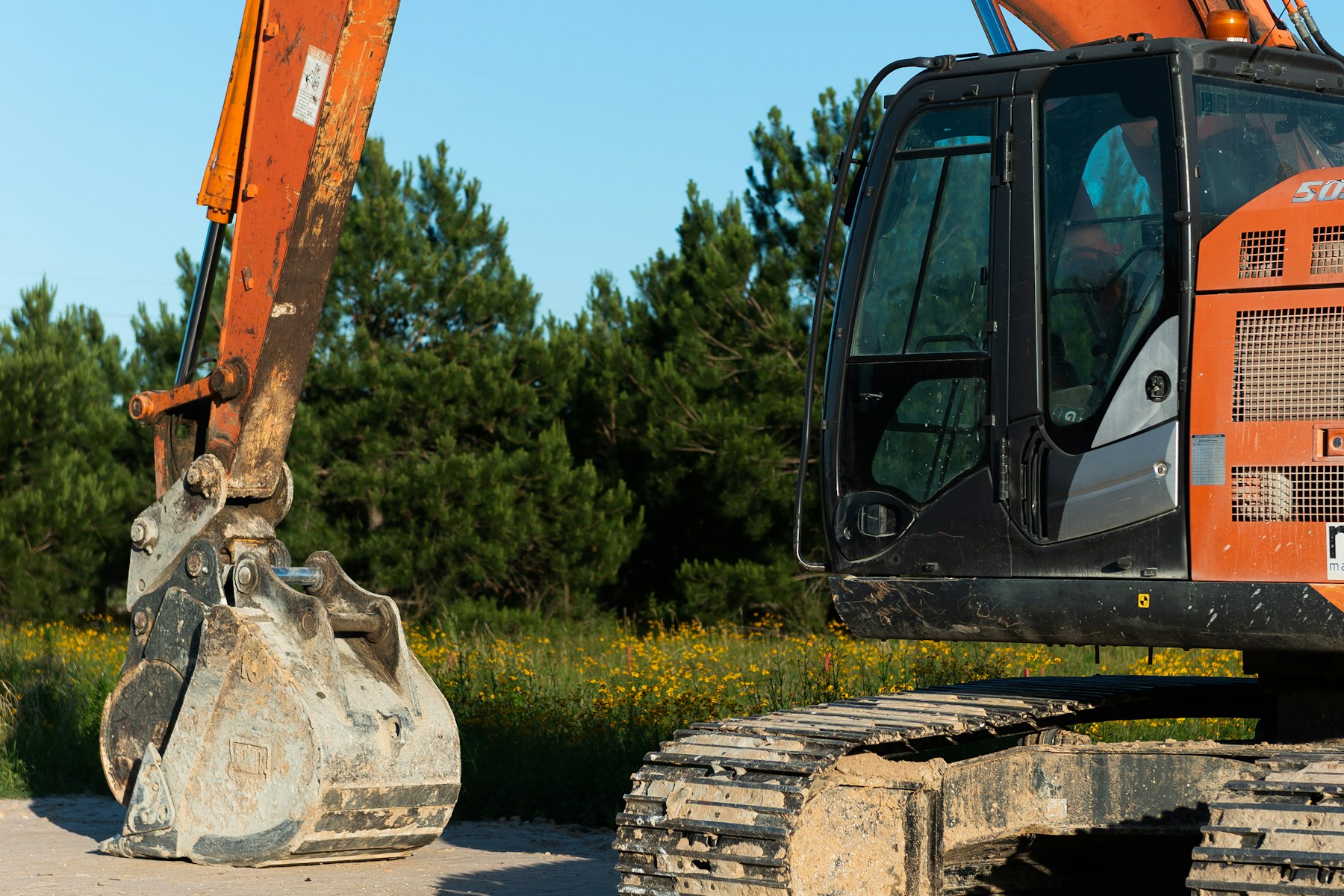
Cutting edges, adapters, wear plate and pin bores rebuilt on site — before wear turns into structural damage.
Buckets wear in a predictable order: teeth first, then adapters, then the cutting edge, then side cutters and finally the floor and corners. Because it is predictable, it can be planned — booked for a rain day or a Friday afternoon while the machine is already stopped, rather than called in as an emergency.
The judgement call is timing. Replacing a cutting edge while the bucket shell is still sound is a routine job. Running the edge until it wears into the bucket floor turns a wear repair into structural repair of the bucket itself, which costs several times more.
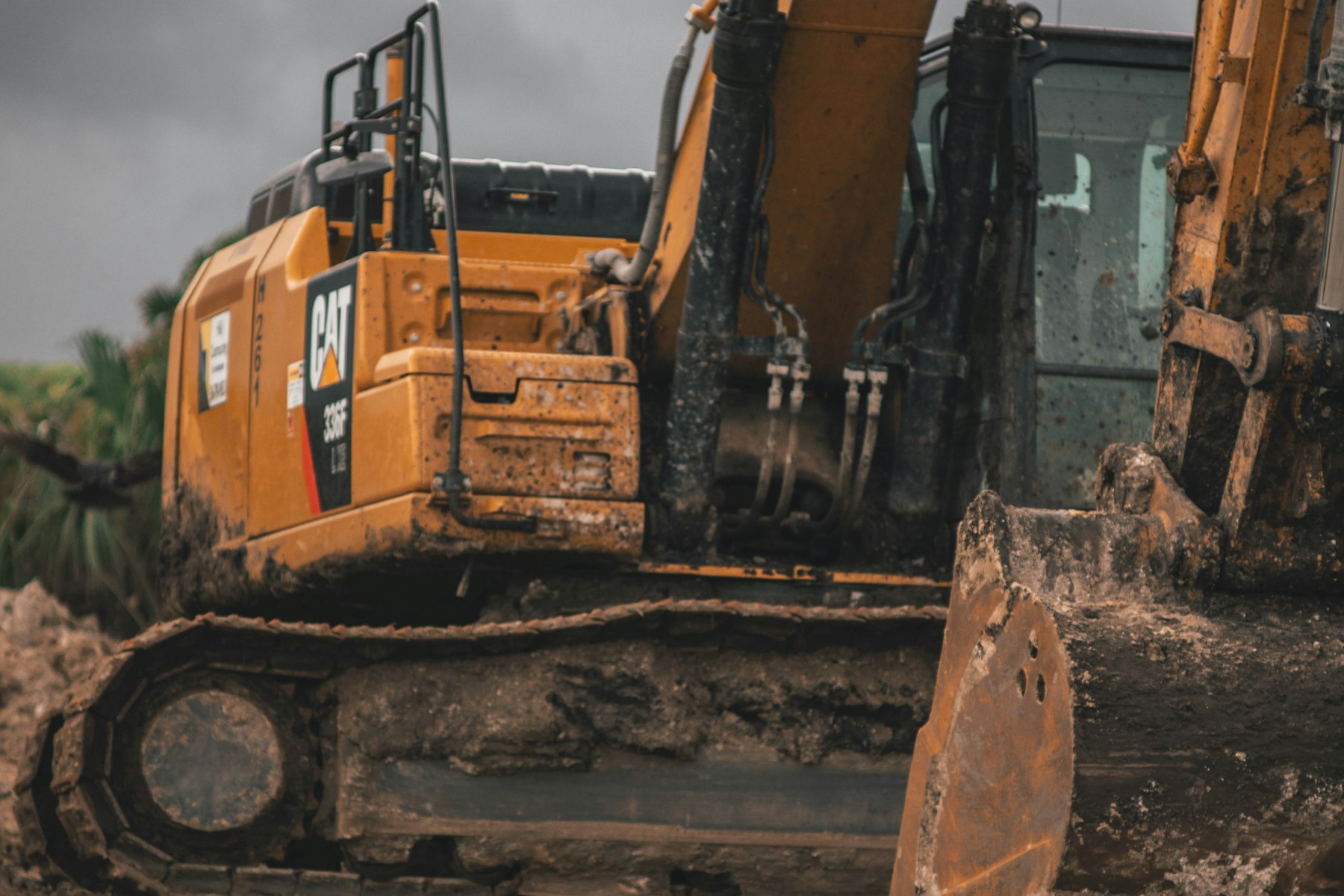
Cutting edge replacement on buckets and blades
Tooth adapters cut off and re-set in the correct spacing
Side cutters, wear strips and wear plate
Bucket floors and corners plated before they hole through
Pin bores and bucket ears worn oval
Quick couplers and attachment plates
The sequence is the same in a yard as in a shop — what changes is the preparation for the surroundings and for the machine itself.
Four Steps
Block or lower the attachment, isolate the machine, disconnect the battery, protect hoses and rods.
Gouge or cut out worn and failed metal, then clean back to bright steel.
Ground clamped close to the weld, correct process and filler for the base metal and thickness.
Plate where the section was under-built, confirm fit and alignment, inspect and fire-watch.
We cover Dallas, Fort Worth, Arlington, Irving, Grand Prairie, Plano, Frisco, Garland, Richardson, McKinney, Carrollton and the surrounding metroplex.
If the attachment can be dropped off the machine before we arrive, a bucket or coupler job often takes noticeably less time — it can be reached from every side. For fleets, grouping several machines into one visit is the single biggest saving available. Service detail is on the equipment repair page, and there is more depth in our guide to heavy equipment repair in DFW.
Not always. Adapters, wear plate, small cracks and hardfacing are routinely done with the bucket on. For a full cutting-edge replacement it is faster and better to drop it off and lay it where it can be reached from every side.
Hardfacing welds a layer of abrasion-resistant material onto a surface that will be worn away by rock, sand or concrete. It is worth doing on parts that wear by abrasion, and worth doing before the part is badly worn. It is not the answer for parts taking heavy impact, because the deposit is hard and comparatively brittle.
Partly. Welding the bore back up can be done in the field. Returning it to round and to size normally needs line boring, which means machining equipment on site or the component brought in. A bore welded but not re-machined will wear again, faster.
When you can see the edge is nearly gone, that is the moment — not three weeks later. Once it wears into the bucket floor the job changes from a routine edge swap into structural repair of the bucket.
Yes — contractor yards, plant hire lots, quarries and dealer premises are all normal locations. Wear items like edges, adapters and hardfacing are ideal to batch into a single visit rather than calling separately for each machine.
A picture of the worn edge or the crack plus the machine model is usually enough to scope the repair.