★
Serving Dallas Fort Worth, Texas
★
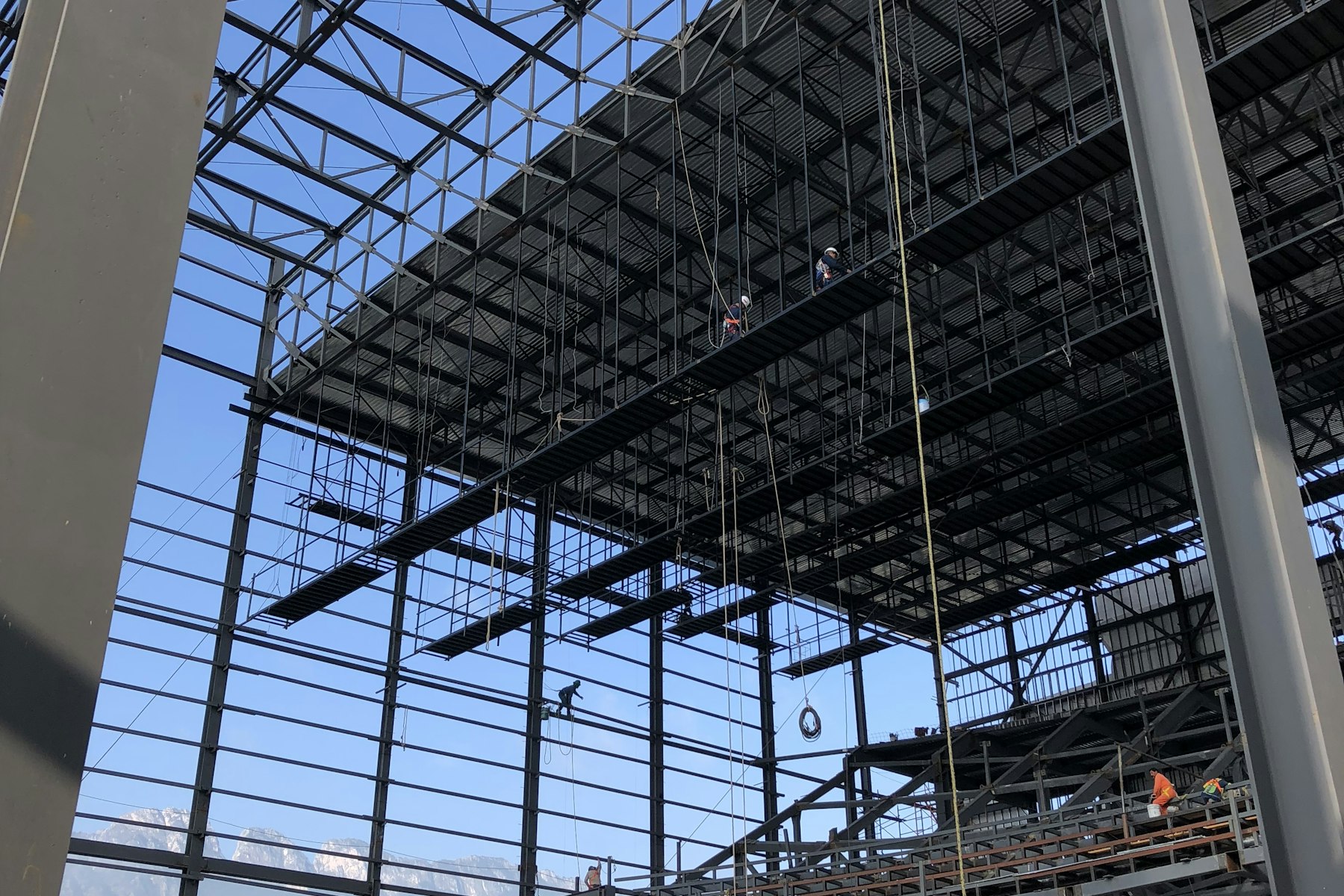
Structural Welding
Beams, columns and frames fabricated and welded to an engineer’s specification — the steel that holds a building up.
This is the category of work where the consequences of getting it wrong are structural rather than cosmetic. Beams, columns, lintels, base plates and braced frames all carry load into the ground, and every one of them starts with a licensed structural engineer’s specification — not with a welder’s judgement and not with a contractor’s estimate.
Our part is to build exactly what was specified, in the right grade and section, with the connections and weld sizes the drawing calls for, and to be able to show that we did. Work of this kind is commonly permitted and inspected, and the requirements differ city by city across the metroplex.
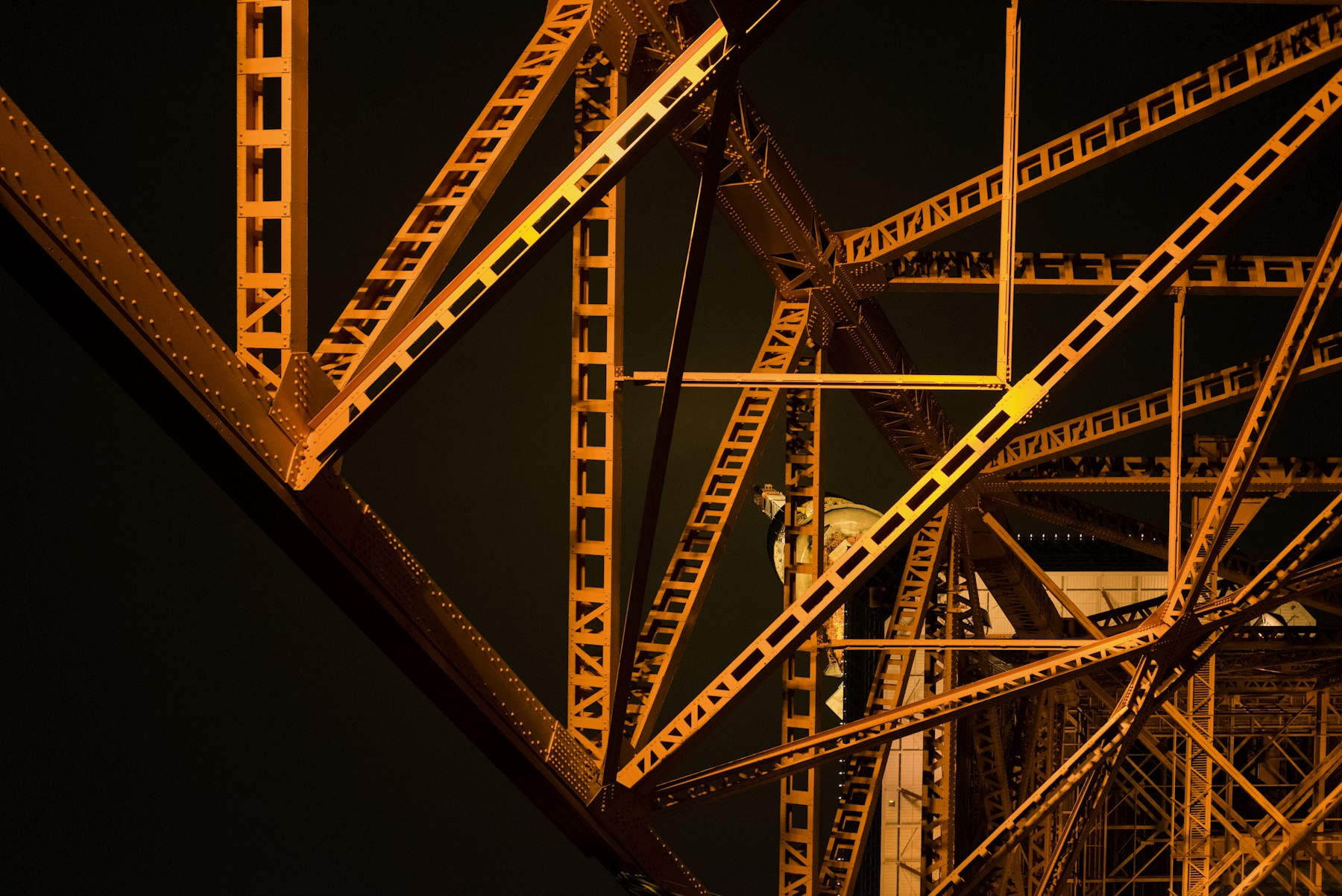
Beams, columns and posts fabricated to an engineer’s drawing
Lintels and headers where an opening is formed or widened
Mezzanine, platform and catwalk frames with stringers and landings
Column base plates, cap plates and bracing connections
Equipment foundations, skid frames and machine bases
Repair and reinforcement of existing structural steel
The sequence matters more here than on any other kind of welding work, because each step depends on the one before it being right.
Four Steps
The engineer’s drawing defines member sizes, connections and weld requirements. Permit where one is required.
Correct grade and section, cut to size, edges prepared and joints fitted to the specified tolerance.
Specified process and filler, welded in a sequence that controls distortion, to the full specified size.
Visual inspection, any specified testing, then priming or protection before the steel is closed in.
We work with contractors, builders and property owners across Dallas, Fort Worth, Arlington, Irving, Grand Prairie, Plano, Frisco, Garland, Richardson, McKinney, Carrollton and the surrounding metroplex.
Bring us in once drawings exist rather than after work has started — section sizes, connection details, access for getting steel in and whether anything has to be lifted or built in pieces can all be settled on paper at that stage. Full service detail is on the structural welding page, and there is background on the fabrication side in our guide to custom metal fabrication in DFW.
For anything load-bearing, yes — the drawing defines what we build. We can talk through feasibility, access and rough programme before that exists, but a price for structural steel without a specification would be a guess, and building to a guess is not something worth doing.
Yes, that is the normal route. Send the drawings with the quote request. If anything on them is unclear or looks impractical to build or install as drawn, we raise it with you and the engineer before fabrication rather than improvising on site.
Both, depending on the job. Field welding of connections, splices and repairs to existing steel is routine — stick and flux-core work outdoors for exactly that reason. Larger assemblies are usually better fabricated where there is a flat floor and a bench, then brought in and set.
Frequently. Corroded sections can be cut out and replaced, cracked connections rebuilt, and load paths reinforced with plates or added bracing. What the repair should be is an engineering question rather than a welding one — the specification comes first and the repair is built to it.
Mainly by sequence and heat input — welding in a planned order, balancing welds either side of a member, and not putting more heat in than the joint needs. Fit-up matters too: a joint clamped square and tight distorts far less than one pulled together by the weld itself.
Drawings, dimensions and a photo of the location are enough to start a real conversation about programme and cost.